
Intermediate Photography 102: From Taking Pictures to Making Photographs
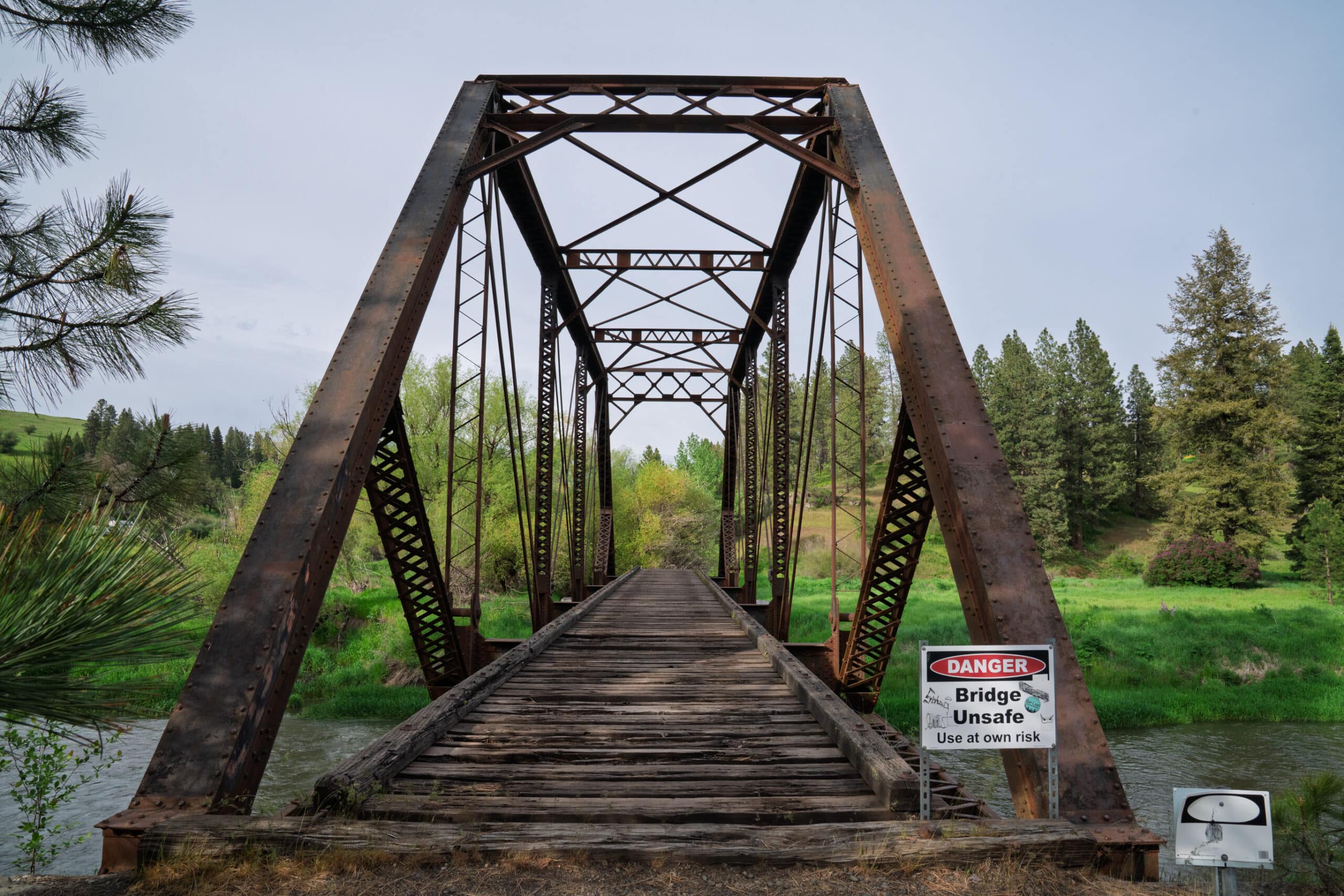
Composition • Creative Control • Seeing Like a Photographer
Workshop Overview
This three-hour workshop is designed for beginning to intermediate photographers. Rather than repeating camera operation and basic exposure concepts, this class focuses on helping photographers move from technical competence to intentional image-making.
Participants will learn to use their cameras as creative tools while developing a stronger understanding of composition, visual storytelling, light, and personal expression.
Topics of Discussion:
- Moving Beyond the Basics
- Moving from technically correct photographs to compelling photographs
- Using aperture, shutter speed, and ISO as creative decisions
- Choosing camera settings based on the desired result
- Composition: Learning to See
- Rule of thirds and when to break it
- Leading lines and diagonals
- Balance and visual weight
- Symmetry and patterns
- Framing
- Negative space
- Visual hierarchy: Where does the viewer’s eye go first?
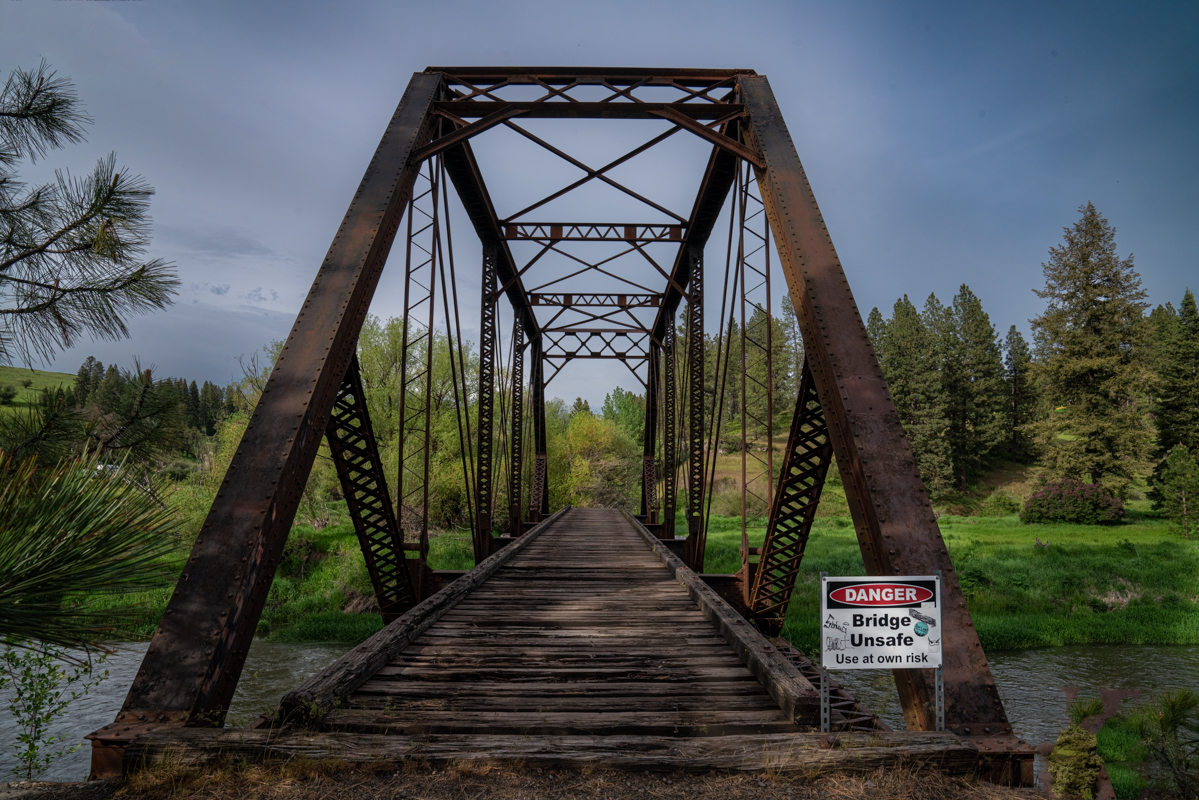
- Perspective & Point of View
- Changing your position rather than simply changing your settings
- High, low, close, and distant perspectives
- Focal length and its effect on the visual relationship between subjects
- Creating depth with foreground, middle ground, and background
- The Importance of the Background
- Recognizing distracting elements
- Simplifying the frame
- Using depth of field to control backgrounds
- Learning to see the edges of the photograph before pressing the shutter
- Light & Color
- Learning to recognize direction, quality, intensity, and color of light
- Using light to create mood and emphasis
- Color as a compositional element
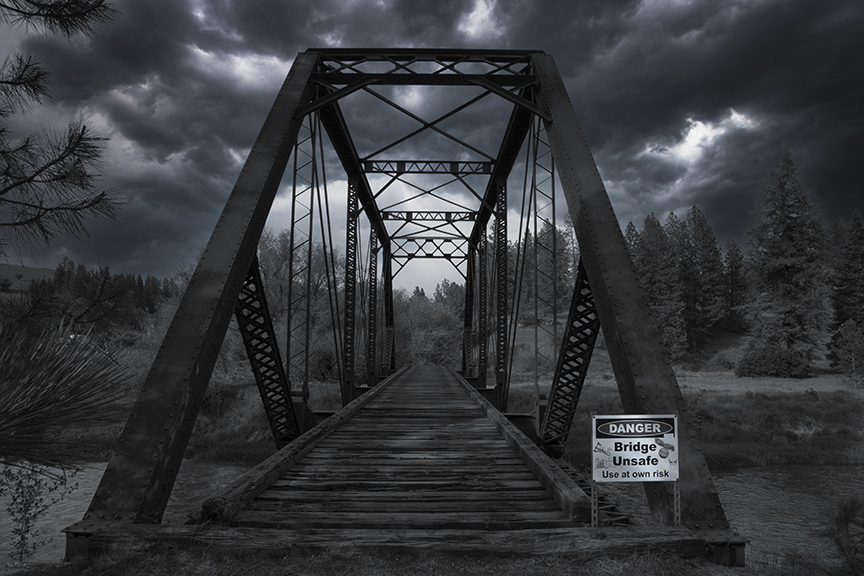
- When and why a photograph might work better in black and white
- Photographing With Intention
- Identifying the subject and visual message
- Deciding where you want the viewer to look
- Eliminating distractions
- Choosing the camera settings that support your creative intent
- Making deliberate choices before pressing the shutter
- Evaluating Your Own Photographs
- Technical evaluation
- Composition
- Visual impact
- Emotional response
- Developing the ability to select your strongest images
- Asking: “Why should someone stop and look at this photograph?”
Interactive Component
The workshop will include image-based discussion and practical exercises designed to encourage participants to look, analyze, experiment, and make creative decisions, rather than simply learn additional camera settings.
Takeaway
Participants will leave with a practical framework for approaching a photograph:
See → Decide → Simplify → Compose → Control → Create
The ultimate goal is to help photographers move from taking pictures to making photographs.