Haemy Chung: Of Strength and Hope
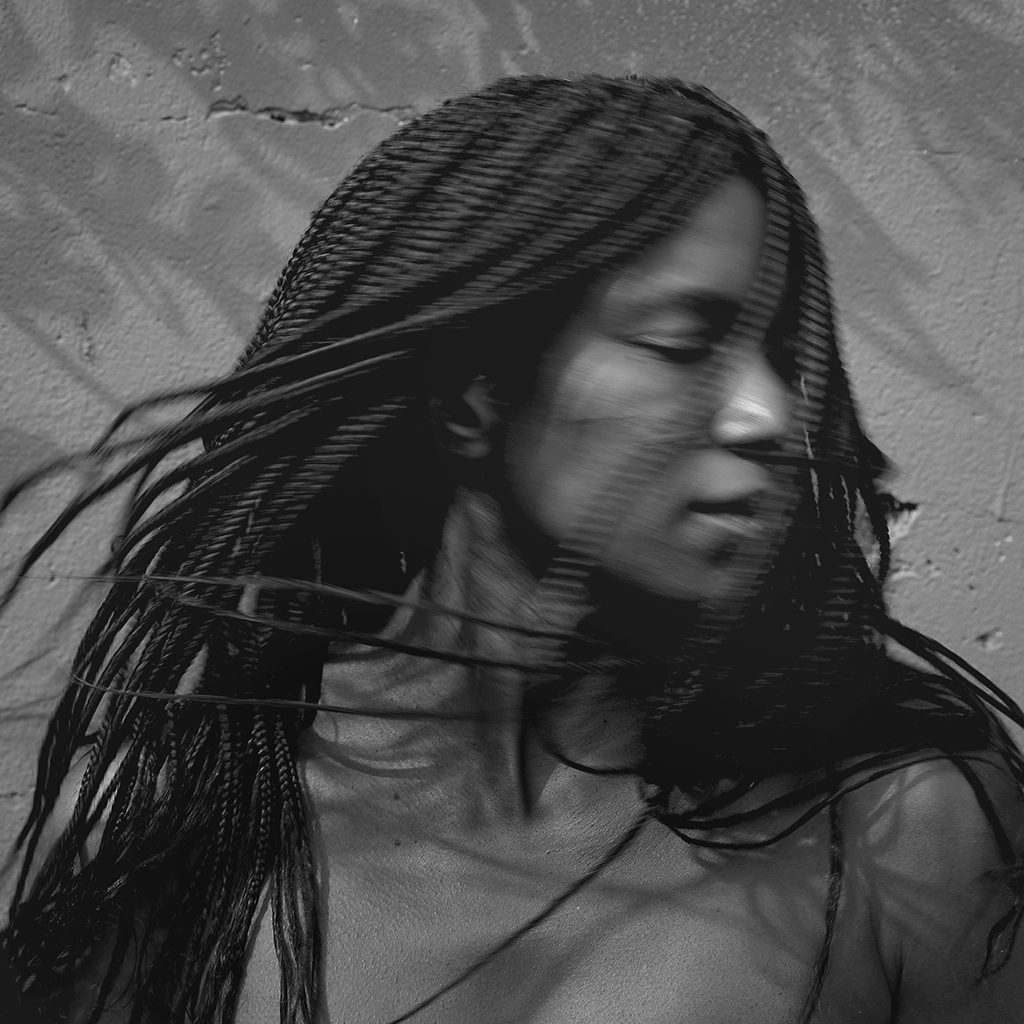
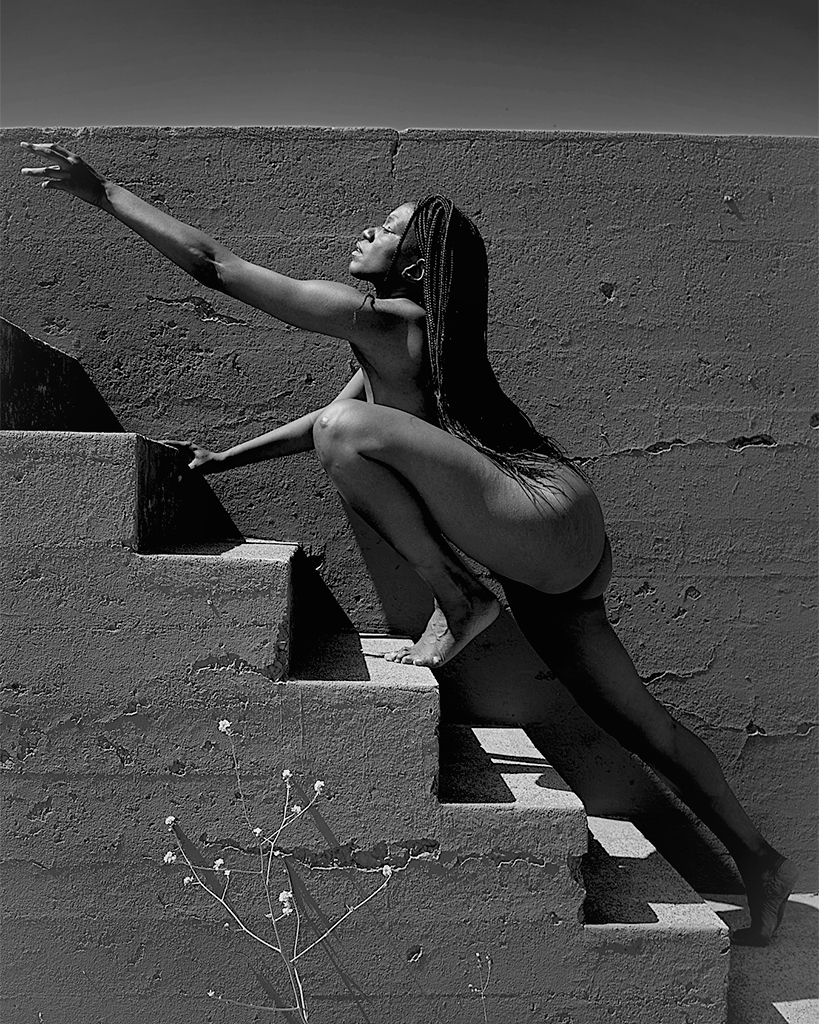
Of Strength and Hope is a black-and-white portrait series following a single figure, Titania, through fear, uncertainty, endurance, growth, and peace. Though rooted in one person’s presence, the work is intended to reflect a near-universal human experience: the process of evolving through struggle.
The series moves through emotional states many people quietly carry – feeling lost, confronting hardship, learning to endure, growing into oneself, and eventually arriving at a deeper sense of confidence and hope. Rather than presenting strength as grand or dramatic, the images focus on quieter forms of resilience such as remaining present, continuing forward, and learning to live honestly with who one has become.
Approached with visual restraint and simplicity, the work avoids spectacle and excess. The black-and-white images strip away distractions to focus on gesture, expression, presence, and emotional atmosphere. The work intentionally retains a certain roughness and lack of polish. The process of overcoming struggle is often imperfect, uneven, and unresolved while it is being lived. These images are not meant to idealize hardship or transform it into something clean and beautiful, but to acknowledge the honesty within it.
As the series progresses, the environments gradually open outward, moving from enclosed interior spaces toward nature and openness. The movement is not entirely linear, reflecting the reality that growth rarely happens in a straight line.
This work is informed in part by the artist’s experience as a mental health provider, having been entrusted with the stories of over 1,500 people about love, loss, vulnerability, perseverance, and transformation. However, the series is not intended as a clinical or prescriptive statement. Instead, it is an attempt to create space for recognition and support. Titania is not presented as a symbol of perfection or triumph, but as a human being carrying uncertainty, strength, vulnerability, and hope at the same time.
Of Strength and Hope is ultimately an ode to the survivors of life in all forms. Rather than leaving with admiration for someone else’s resilience, the hope is that viewers recognize something of themselves within the work: their own endurance, growth, and capacity for hope. Wherever they may find themselves in their own journey, the series aims to offer recognition, encouragement, and the reminder that they are not alone.